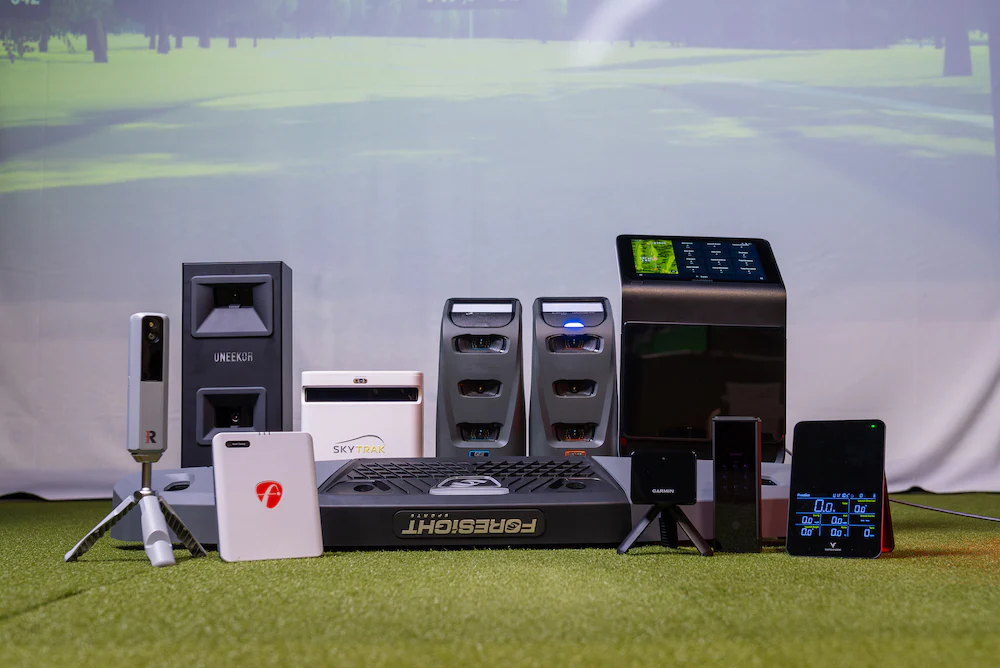
Best Launch Monitors for Practice & Game Improvement
Not every golfer wants a simulator.
Some just want to get better.
If your goal is:
- Dialing in carry distances
- Improving strike quality
- Managing spin and dispersion
- Working on your swing mechanics
- Understanding why you slice, hook, push, or pull the ball
- Practicing outdoors with reliable numbers
- Building structured improvement over time
Then you don’t need a simulator-first device.
You need a launch monitor built for practice.
This guide focuses exclusively on launch monitors that help golfers improve — whether practicing outdoors at the range, hitting into a backyard net, or working indoors without building a full simulator room.
What Matters for Practice (Not Simulator Golf)
When improvement is the priority, we care about:
- Reliable carry distance
- Consistent ball speed
- Measured (not estimated) spin when possible
- Accurate launch angle
- Shot dispersion patterns
- Session tracking and data storage
- Club data for diagnosing swing mechanics
We do not prioritize:
- Virtual course play
- Graphics quality
- Entertainment features
- Gimmicks
This is about understanding your golf swing and your distances — not playing Pebble Beach on a screen.
What’s the Difference Between Radar and Camera Launch Monitors?
Depending on where and how you practice, the type of launch monitor (radar vs camera) may make a big impact for you.
Radar launch monitors track the golf ball through its flight using Doppler radar positioned behind the golfer, while camera-based (photometric) launch monitors use high-speed cameras positioned near the ball to measure the strike at impact.
Radar systems often excel outdoors where the ball can travel freely, while camera systems are commonly used in indoor simulator environments where ball flight space is limited.
For a detailed analysis of Radar vs Camera Launch monitors, be sure to read Radar vs Camera Launch Monitors: What’s the Difference and Which Is Better?
Why Club Data Changes the Game
Many golfers slice or hook the ball without fully understanding why.
They see the ball curve right or left — but they’re guessing at the cause.
Was the face open?
Was the swing path out-to-in?
Was contact low on the face?
Ball flight tells you what happened.
Club data tells you why it happened.
Launch monitors that provide swing path, face angle, and strike location remove the guesswork. Instead of making random adjustments, you can connect mechanics directly to ball flight.
Not every device in this guide offers full club data. But when budget allows, that added insight can dramatically accelerate improvement.
Comparison Matrix: Practice-Focused Launch Monitors
| Model | Price Tier | Ball Data Quality | Club Data Depth | Best Environment | Ideal Golfer |
|---|---|---|---|---|---|
| Garmin R10 | Under $1K | Good (estimated spin) | Basic (estimated path) | Outdoor range | Budget golfer building fundamentals |
| Mevo Gen2 | Under $2.5K | Very strong | Moderate (with Pro Package) | Outdoor-focused | Serious amateur tracking long-term progress |
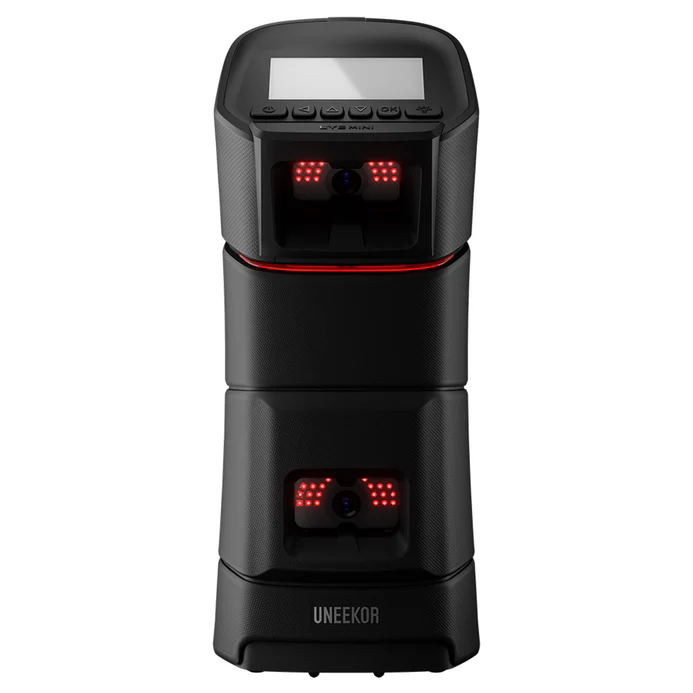
| Uneekor Eye Mini | Under $5K | Excellent (measured spin) | Strong face & impact feedback | Indoor or outdoor | Golfer rebuilding swing mechanics |
| Foresight GC3 | Under $10K | Elite measured ball data | Limited without add-ons | Excellent outdoors | Competitive player prioritizing carry & spin trust |
| Foresight GCQuad | No Budget | Tour-level | Full club & face data | Indoor or outdoor | Player seeking complete mechanical clarity |
Best Launch Monitors for Practice by Budget
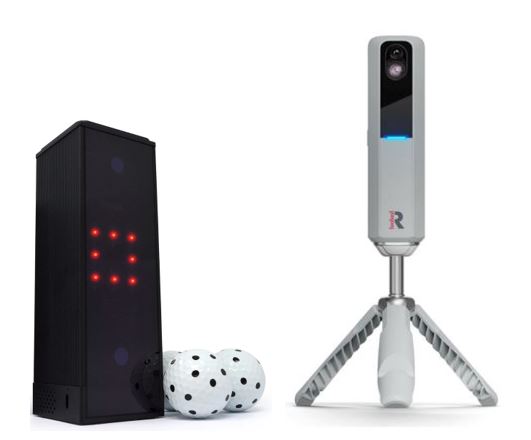
Under $1,000 — Garmin Approach R10

For golfers under $1,000, the Garmin R10 remains one of the most accessible structured-practice tools available.
It tracks carry, ball speed, and launch angle, and provides estimated spin and directional feedback.
While it does not offer detailed face or strike-location data, it gives enough information to begin connecting swing direction to ball shape.
If you’re working on fundamentals and distance control without overspending, it remains a practical starting point.
Read our full Garmin R10 review
Also see our SC4 Pro review which is a worthy contender in this category.
Under $2,500 — FlightScope Mevo Gen2

For serious outdoor practice, the Mevo Gen2 is one of the strongest balance points in the category.
It delivers reliable carry numbers and consistent ball data. With the optional Pro Package, it becomes significantly more useful for golfers working on swing direction and delivery patterns.
It may not provide full tour-level club data, but it offers enough feedback to make structured improvement intentional rather than experimental.
For most committed amateurs practicing outdoors, this is where launch monitors begin to feel like true training tools.
Read our full Mevo Gen2 review
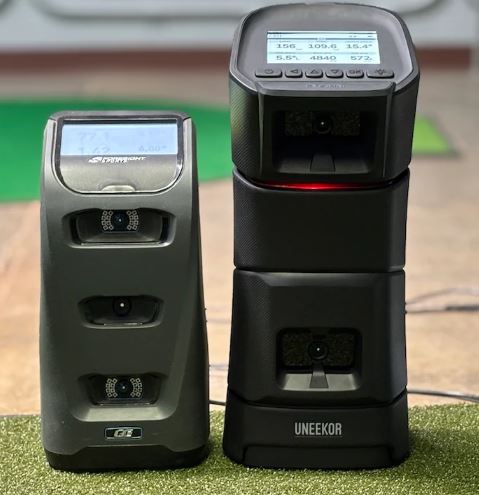
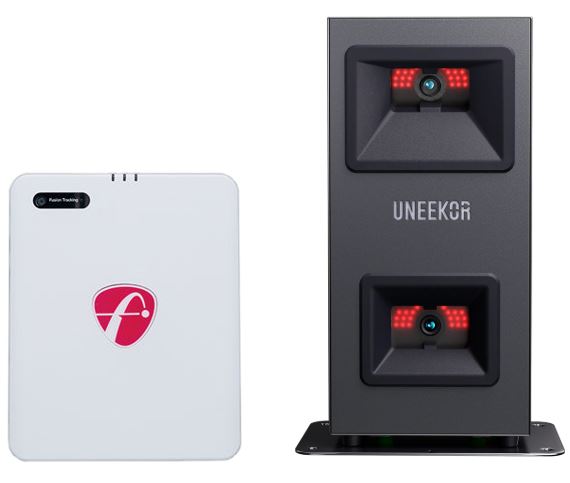
Under $5,000 — Uneekor Eye Mini

At this level, we move into measured spin and deeper swing insight.
The Eye Mini blends reliable ball data with strong impact feedback, making it particularly useful for golfers working on path and face control.
If you’re actively trying to fix a slice or rebuild mechanics, this added visibility can shorten the trial-and-error cycle dramatically.
This is where practice becomes more precise.
Read our full Uneekor Eye Mini review
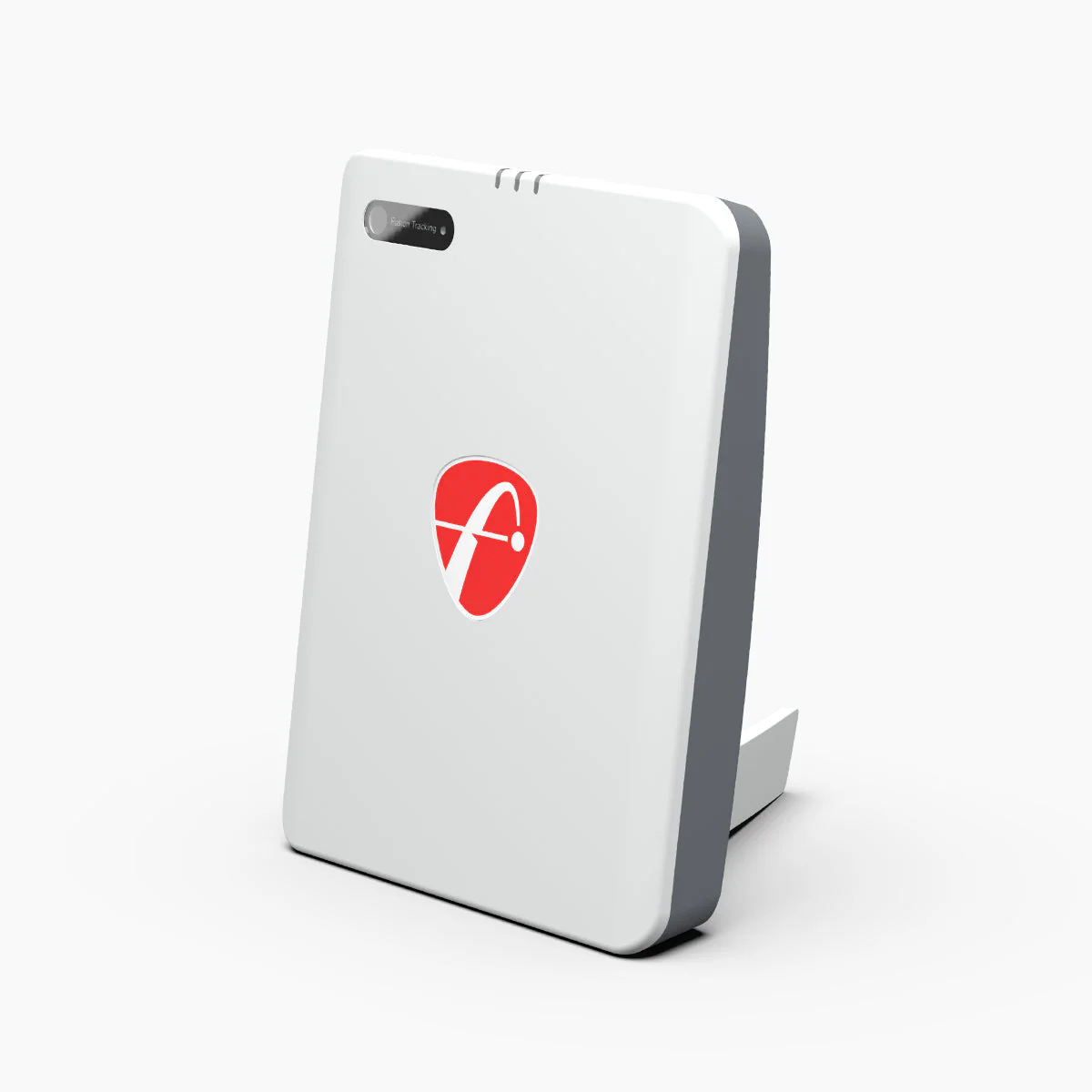
Under $10,000 — Foresight GC3
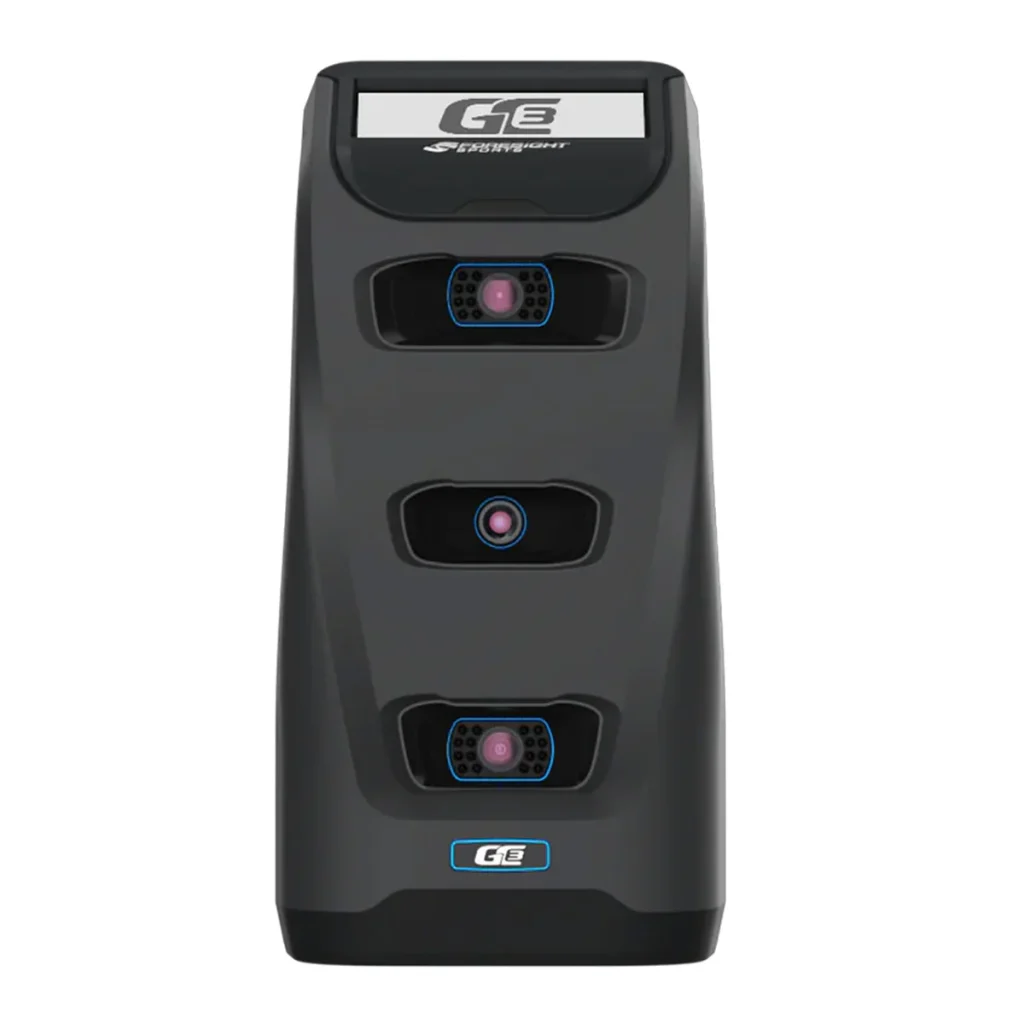
The GC3 is widely trusted for one reason: ball-data consistency.
It delivers highly reliable carry and measured spin, making it a favorite for players dialing in wedges and competitive distances.
While it does not include full quad-level club data without upgrades, the confidence it provides in ball performance makes it a powerful practice tool — particularly outdoors.
For players who prioritize carry and spin trust above all else, GC3 remains a benchmark.
Read our full Foresight GC3 review
Best Overall — Foresight GCQuad
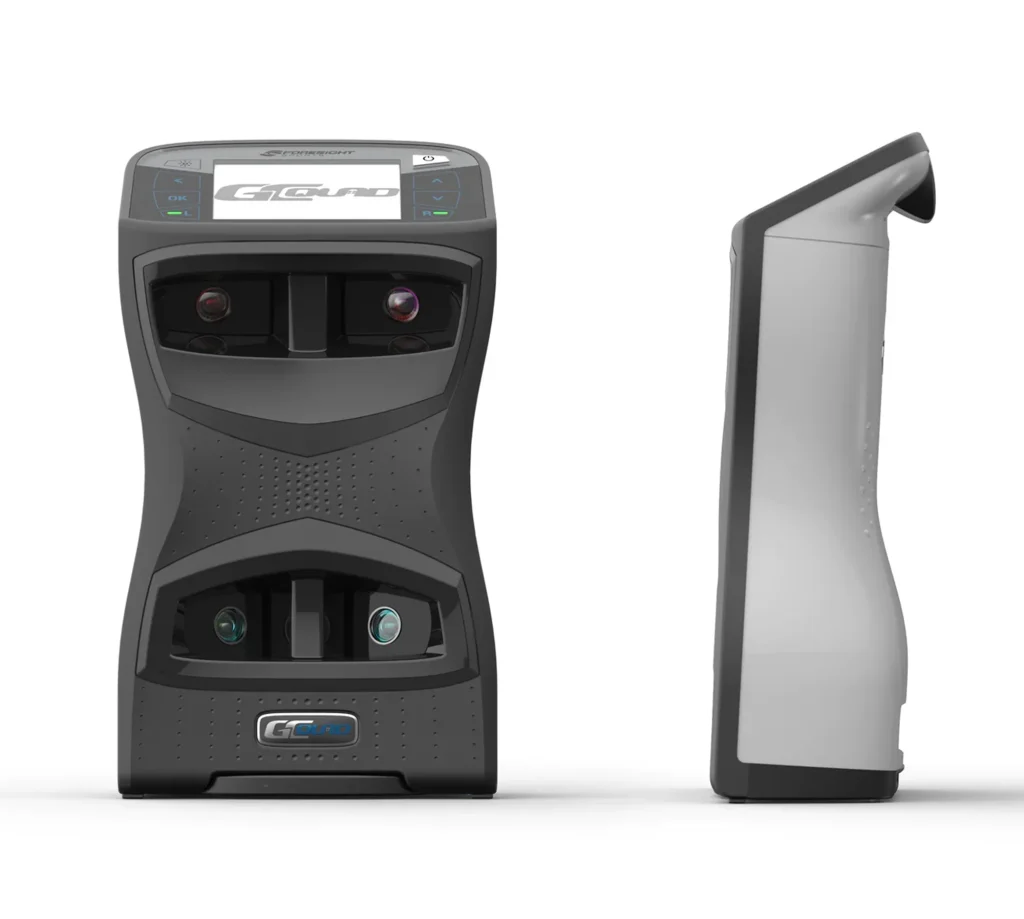
If budget is not a constraint and improvement is your priority, the GCQuad remains the gold standard.
It integrates:
- Measured ball data
- Comprehensive club data
- Face angle and swing path
- Strike location
When you can see both cause and effect in one system, there is no guessing.
For players committed to full mechanical clarity, GCQuad remains unmatched.
While systems like Trackman are widely used at the professional level, the GCQuad remains one of the most versatile and practical elite systems for individual golfers focused on improvement.
Read our full Foresight GCQuad review
Final Thoughts
If your goal is improvement — not entertainment — prioritize:
- Data consistency
- Measured spin when possible
- Club data if you’re working on swing mechanics
- Long-term trend tracking
For many serious amateurs practicing outdoors, the Mevo Gen2 remains a strong balance of value and performance.
For golfers diving deeper into swing analysis, the Eye Mini offers meaningful added insight.
For elite-level ball-data trust, the GC3 stands out.
And when budget disappears, GCQuad defines the top tier.
The right launch monitor should not just show you what the ball did.
It should help you understand why it did it.