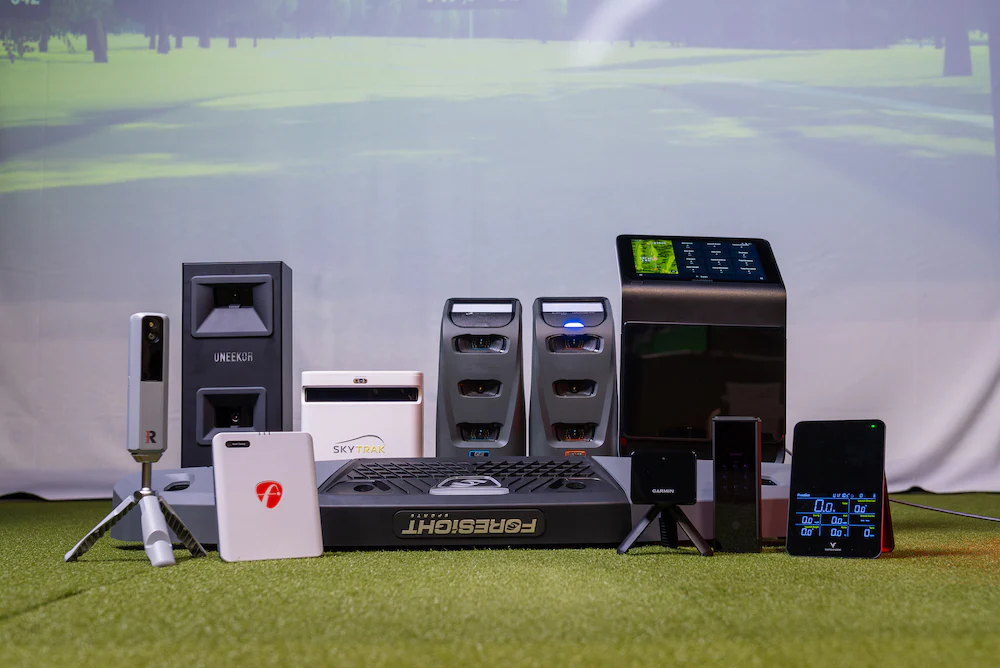
If you’ve spent any time researching golf launch monitors, you’ve probably noticed that most devices fall into one of two categories:
Radar-based launch monitors
or
Camera-based launch monitors (often called photometric systems).
Understanding the difference between these technologies is important because it directly affects:
- Accuracy
- Indoor vs outdoor performance
- Setup requirements
- What data is measured vs calculated
Both technologies can produce excellent results, but they are designed for slightly different environments and use cases.
In this guide, we’ll break down how radar and camera launch monitors work, their strengths and limitations, and which type may be better for your practice setup.
What’s the Difference Between Radar and Camera Launch Monitors?
Radar launch monitors track the golf ball through its flight using Doppler radar positioned behind the golfer, while camera-based (photometric) launch monitors use high-speed cameras positioned near the ball to measure the strike at impact. Radar systems often excel outdoors where the ball can travel freely, while camera systems are commonly used in indoor simulator environments where ball flight space is limited.
Radar vs Camera Launch Monitors: Quick Comparison
Radar and camera launch monitors measure golf shots in very different ways. The quick comparison below highlights the key differences between the two technologies.
| Feature | Radar Launch Monitors | Camera (Photometric) Launch Monitors |
|---|---|---|
| How They Work | Track the ball through its flight using Doppler radar | Capture high-speed images of the ball and club at impact |
| Best Environment | Outdoor practice and driving ranges | Indoor simulator setups |
| Device Position | Typically placed behind the golfer | Usually placed beside the golf ball |
| Ball Flight Tracking | Tracks ball movement through space | Calculates ball flight from impact measurements |
| Space Requirements | Requires more ball flight distance | Works well in shorter indoor spaces |
| Club Data | Often calculated or requires additional markers | Frequently measured directly by cameras |
How Radar Launch Monitors Work
Radar launch monitors use Doppler radar technology to track the golf ball as it travels through space.
When the club strikes the ball, the radar unit emits a microwave signal that reflects off the moving ball. By measuring the change in frequency of that signal, the system calculates:
- Ball speed
- Launch angle
- Spin characteristics
- Carry distance
- Ball flight shape
Radar units track the ball through its flight, which means they rely on seeing the ball travel for a certain distance.
This technology is commonly used in:
- Military tracking systems
- Weather radar
- Baseball pitch tracking
In golf, radar launch monitors are particularly strong in outdoor environments where the ball can travel freely.
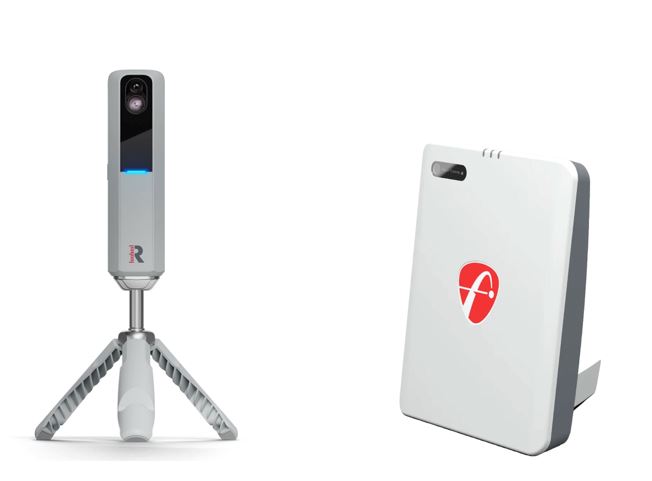
Examples of Radar Launch Monitors
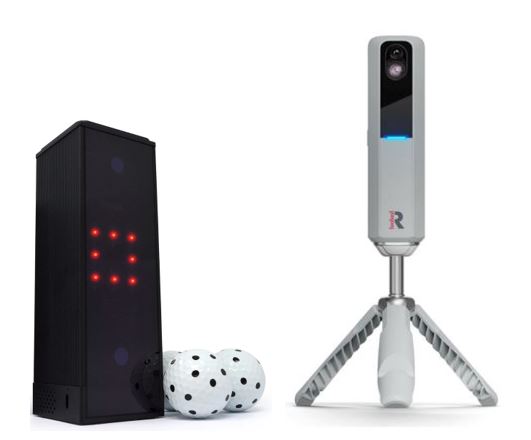
Popular radar-based systems include:
These systems are widely used on driving ranges and outdoor practice facilities.
For golfers exploring radar-based options, our FlightScope Mevo Gen2 review breaks down how modern Doppler radar technology performs in real-world practice environments.
How Camera (Photometric) Launch Monitors Work
Camera-based launch monitors use high-speed cameras to capture images of the golf ball and club at the moment of impact.
Instead of tracking the ball through flight, these systems analyze the strike itself.
The cameras capture multiple frames in the first few inches after impact, allowing the system to measure:
- Ball speed
- Launch direction
- Spin rate
- Spin axis
- Club path
- Face angle
Because camera systems analyze the strike directly, they don’t require the ball to travel very far.
That makes them particularly well suited for indoor simulator environments.
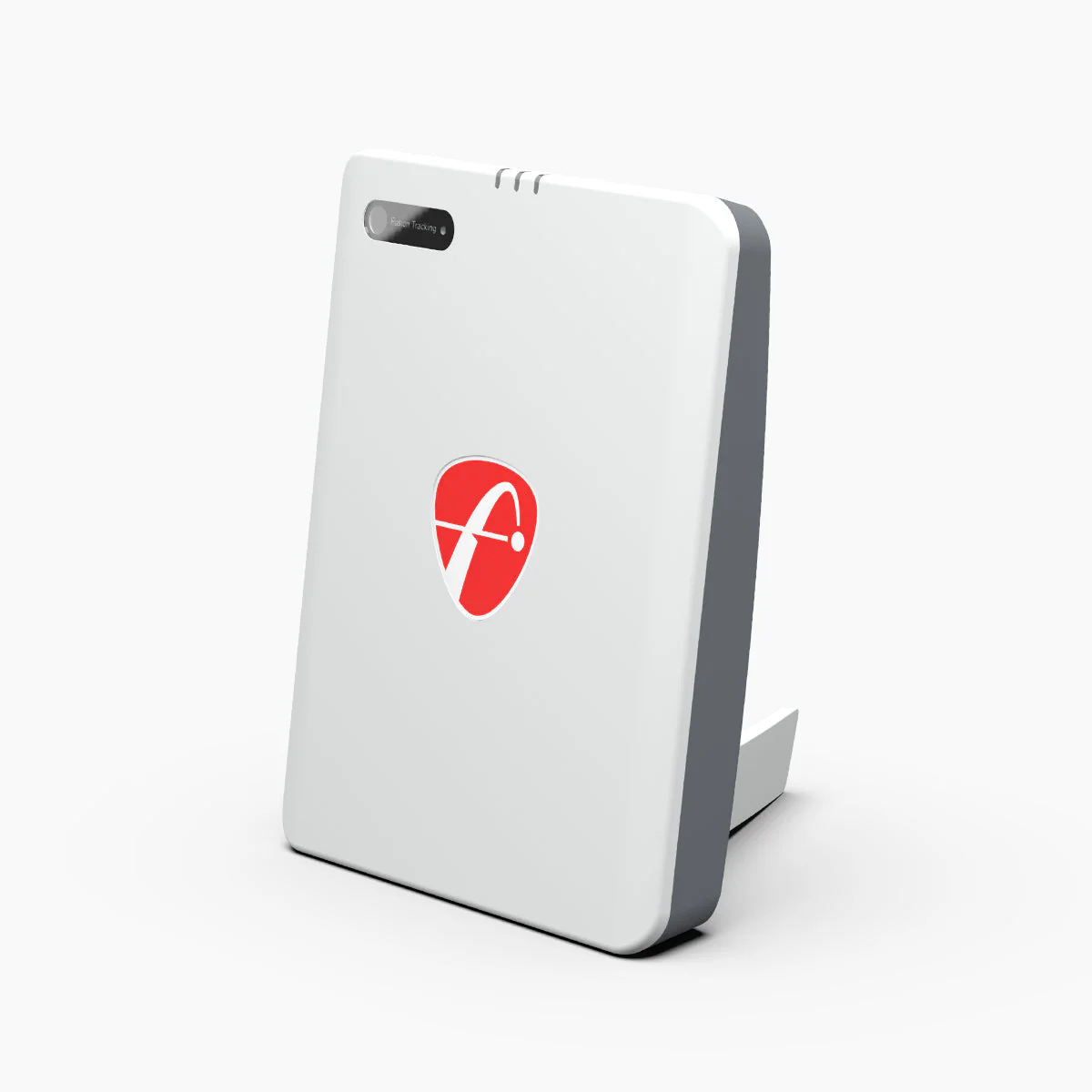
Examples of Camera-Based Launch Monitors
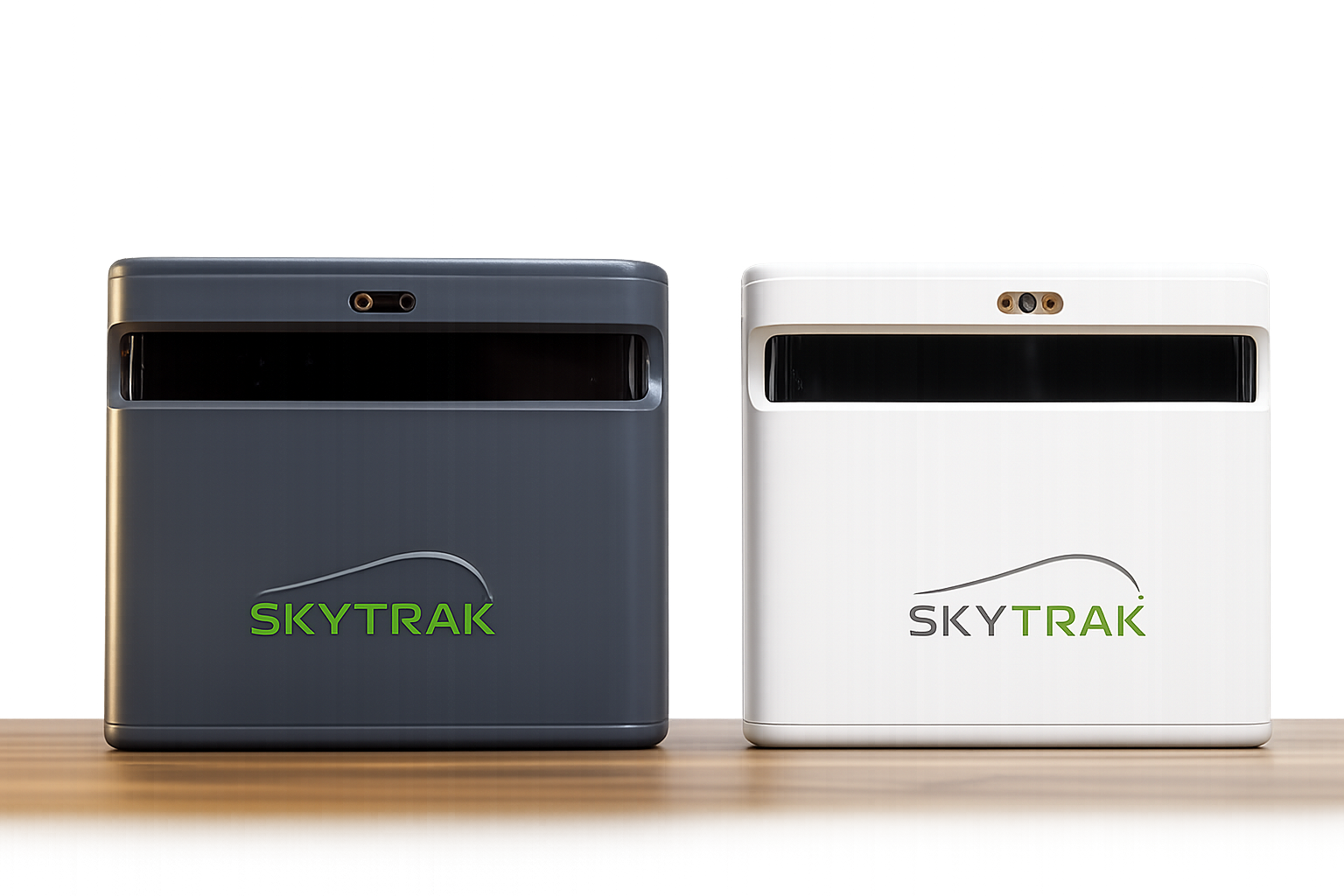
Popular photometric systems include:
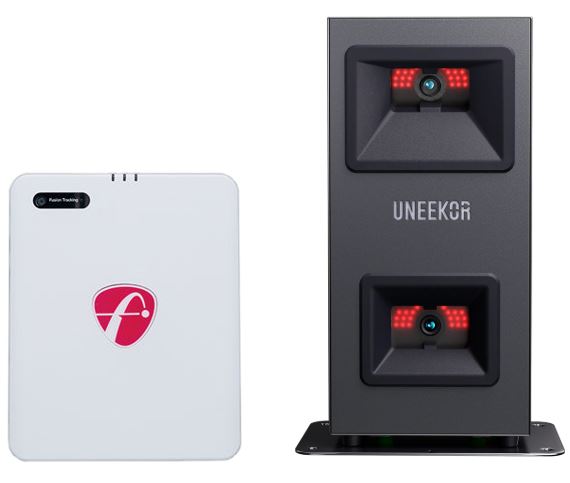
- Foresight GC3 / GC3S
- Foresight GCQuad
- Bushnell Launch Pro
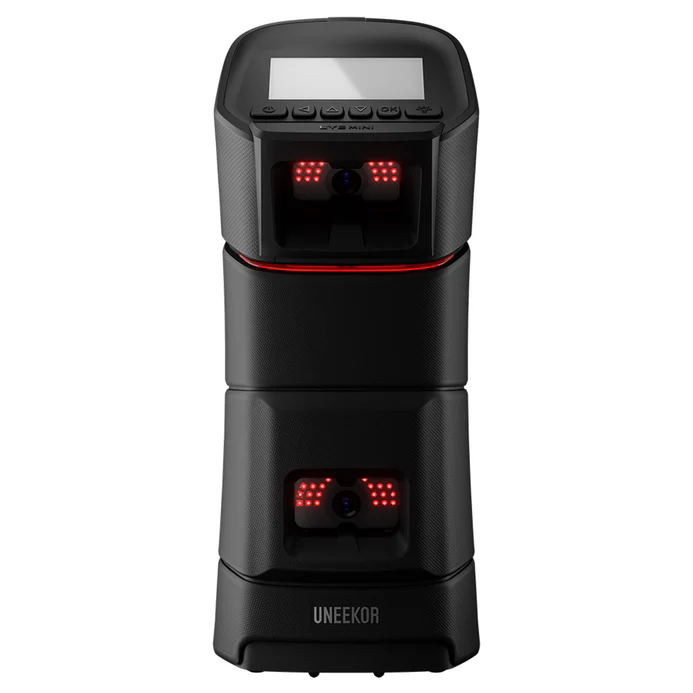
- Uneekor Eye Mini
- Uneekor Eye Mini Lite
- SkyTrak+
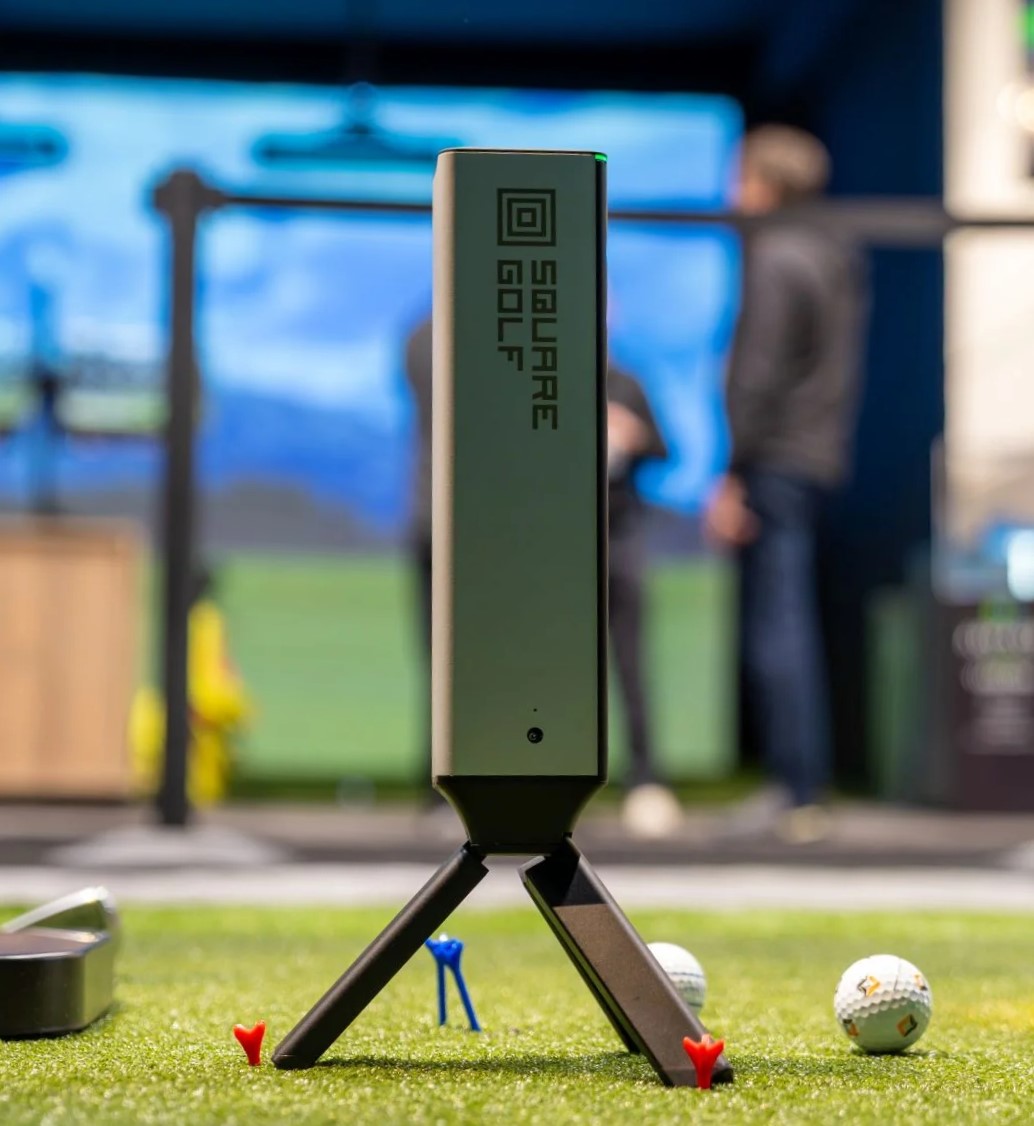
- Square Launch Monitor
Many indoor simulator studios rely on camera-based systems for their consistency.
Radar vs Camera: The Core Difference
At the simplest level:
Radar launch monitors track the ball in flight.
Camera launch monitors measure the strike at impact.
That fundamental difference influences how each technology performs in different environments.
Indoor Performance
Indoor use is where camera-based systems typically shine.
Because they only need to capture the first few inches of ball movement, they work extremely well when hitting into a net or simulator screen.
Radar systems can work indoors as well, but they usually require:
- More ball flight distance
- More precise setup
- Adequate space behind the golfer
Some modern radar systems are optimized for indoor use, but setup can still be more sensitive than camera-based units.
It’s important to note that these are general technology trends rather than hard rules. A well-designed radar launch monitor that is properly configured can perform very effectively indoors, particularly when there is enough space for the system to track the golf ball. In many cases, a high-quality radar unit will outperform a lower-end camera-based launch monitor even in indoor environments. The overall accuracy of any launch monitor ultimately depends on the quality of the hardware, the setup conditions, and how the system processes the data it collects. Many modern radar launch monitors are specifically optimized for indoor practice and simulator use, provided the recommended space and setup guidelines are followed.
Outdoor Performance
Radar launch monitors tend to perform very well outdoors.
Devices like the FlightScope Mevo Gen2 and Full Swing KIT are designed to track ball flight over distance, which is why radar-based systems are commonly used on driving ranges.
Because they track the ball through its flight, they can measure:
- Carry distance
- Ball flight curvature
- Spin behavior over time
Outdoor environments allow radar to operate exactly as designed.
Camera-based systems can also work outdoors, but bright sunlight, uneven surfaces, and environmental variables may introduce additional setup considerations.
Ball Data vs Club Data
Both technologies can provide ball and club data, but the way they capture it differs.
Camera systems often measure club delivery more directly because the cameras can observe the clubhead during impact.
Radar systems may require:
- Additional algorithms
- Metallic dots or stickers
- Extended ball flight
to generate certain club metrics.
This doesn’t mean radar systems are less capable — it simply reflects the different measurement approach.
Setup Differences
Radar Launch Monitors
Typically placed behind the golfer.
They require:
- Clear ball flight
- Correct alignment
- Enough distance to track the shot
Camera Launch Monitors
Usually placed next to the golf ball.
They require:
- Proper lighting
- Correct positioning near the hitting area
Because they observe impact directly, they often require less ball flight space.
What About Overhead Launch Monitors?
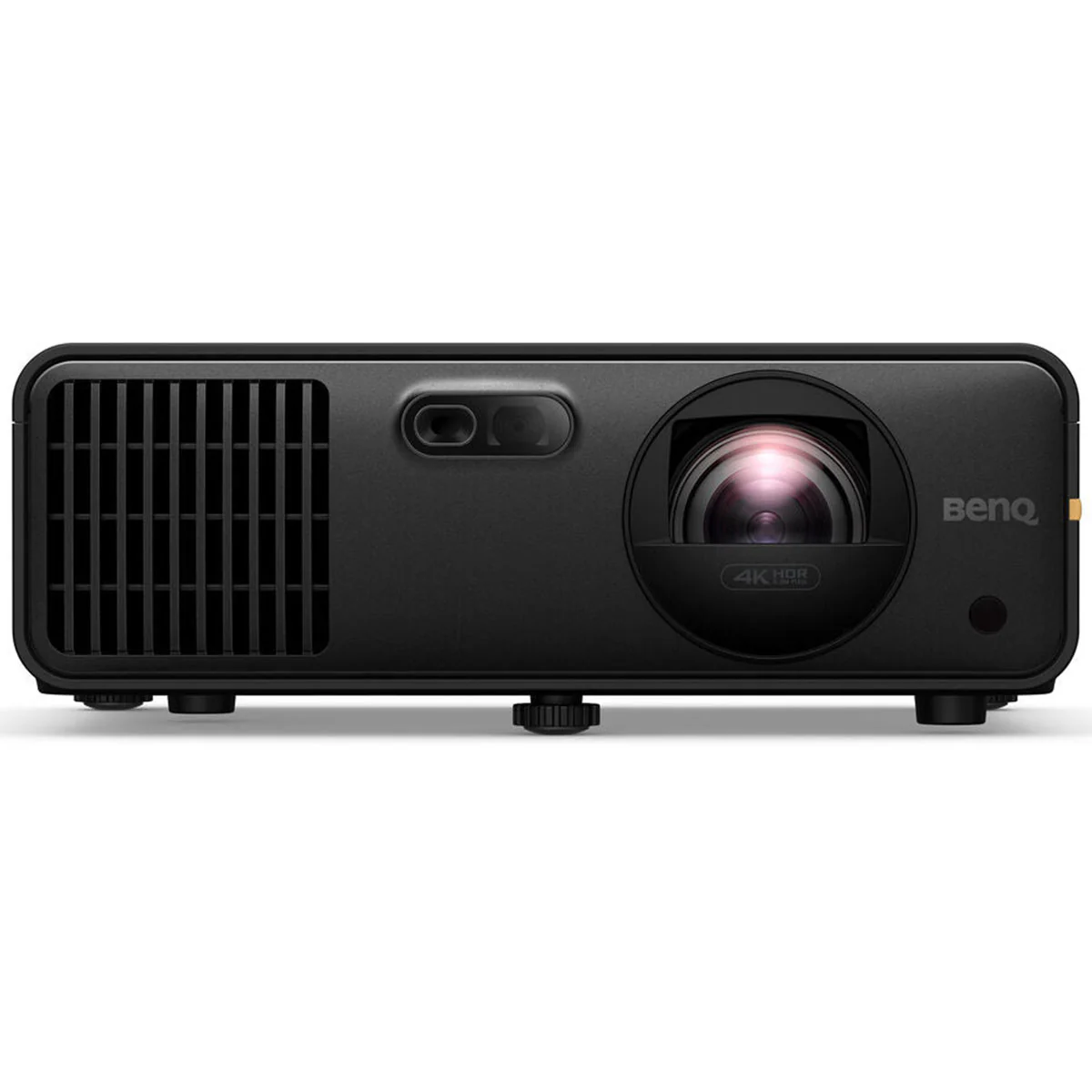
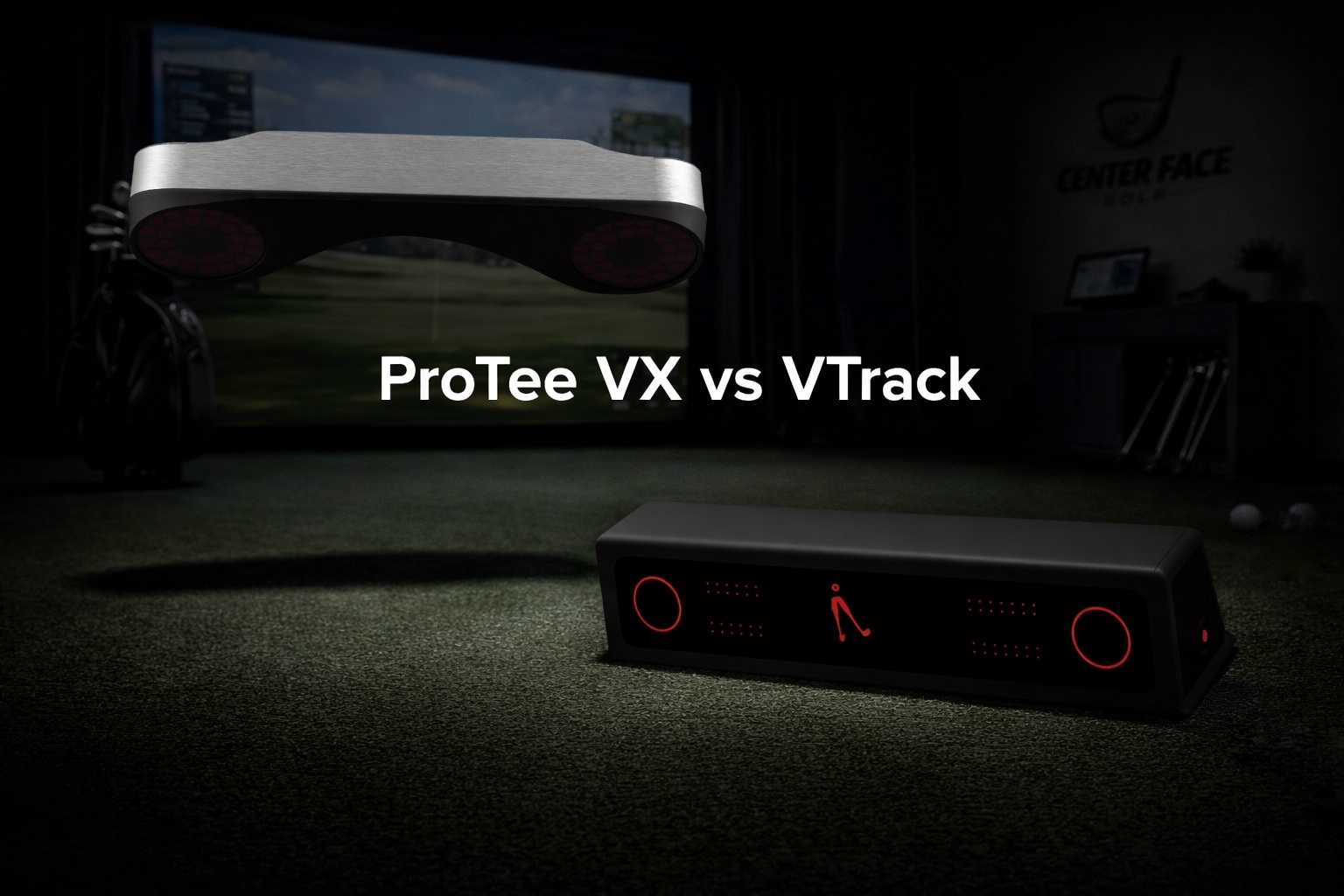
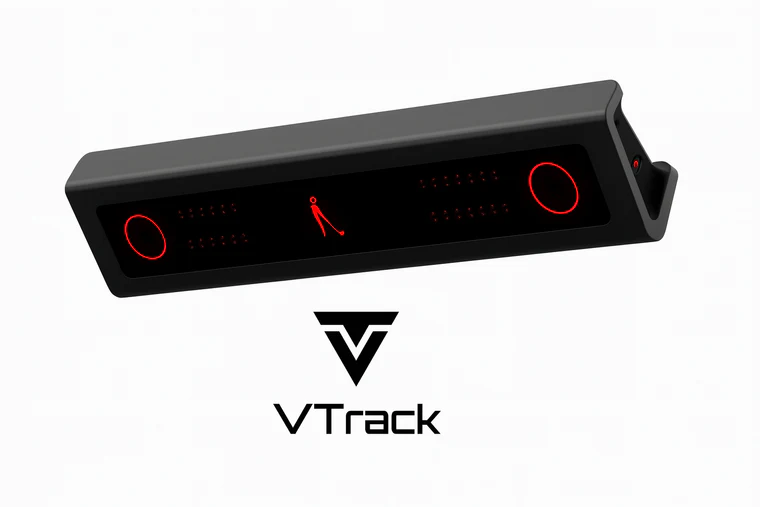
Some camera-based launch monitors are designed to mount above the hitting area instead of beside the ball.
These are commonly referred to as overhead launch monitors and are often used in permanent simulator installations.
Examples include:
Instead of sitting on the ground, these systems mount to the ceiling and use high-speed cameras to observe the ball and club from above.
Overhead units offer several advantages for simulator environments:
- No device sitting next to the ball
- More freedom for left- and right-handed players
- Permanent installation for dedicated simulator rooms
Because they use photometric camera technology, overhead launch monitors fall into the same general category as other camera-based systems, but they are designed specifically for simulator setups rather than portable practice.
Which Technology Is More Accurate?
Both radar and camera launch monitors can be extremely accurate.
Accuracy ultimately depends on:
- The quality of the hardware
- Calibration and setup
- The environment where the system is used
High-end systems from both categories are trusted by:
- Tour players
- Teaching professionals
- Club fitters
In practical terms, either technology can provide reliable feedback for most golfers.
Which Type Should You Choose?
The right choice depends primarily on how and where you practice.
For example, golfers building indoor simulator setups often compare camera-based systems like the Foresight GC3, SkyTrak+, or Uneekor Eye Mini, while golfers focused on outdoor range practice frequently consider radar-based options like the FlightScope Mevo Gen2.
Radar Launch Monitors Are Often Better If You:
- Practice mostly outdoors
- Want to track full ball flight
- Prefer a device that sits behind the golfer
Camera Launch Monitors Are Often Better If You:
- Practice primarily indoors
- Are building a home simulator
- Want detailed club delivery data
Many golfers choose based on their practice environment first, and technology second.
Why Launch Monitor Technology Matters in Professional Golf
Launch monitors aren’t just consumer gadgets — they have become essential tools for professional golfers, instructors, and club fitters.
Tour players regularly use launch monitors to analyze ball flight, dial in distances, and evaluate equipment changes. Teaching professionals rely on launch monitor data to identify swing patterns and diagnose issues that may not be visible to the naked eye.
Club fitting studios also depend heavily on launch monitors to measure how different shafts, club heads, and ball types influence launch conditions and spin characteristics.
Because of this, modern launch monitor technology has evolved rapidly over the past decade, bringing many of the same measurement capabilities used by tour professionals into devices that everyday golfers can now use for practice and improvement.
The Bottom Line
Radar and camera launch monitors approach measurement from different directions, but both can deliver excellent performance.
Radar systems track the ball through its flight and tend to excel outdoors.
Camera-based systems measure the strike directly and often perform exceptionally well indoors.
Understanding these differences can help you choose a launch monitor that matches your practice environment and long-term improvement goals.