Quick Verdict
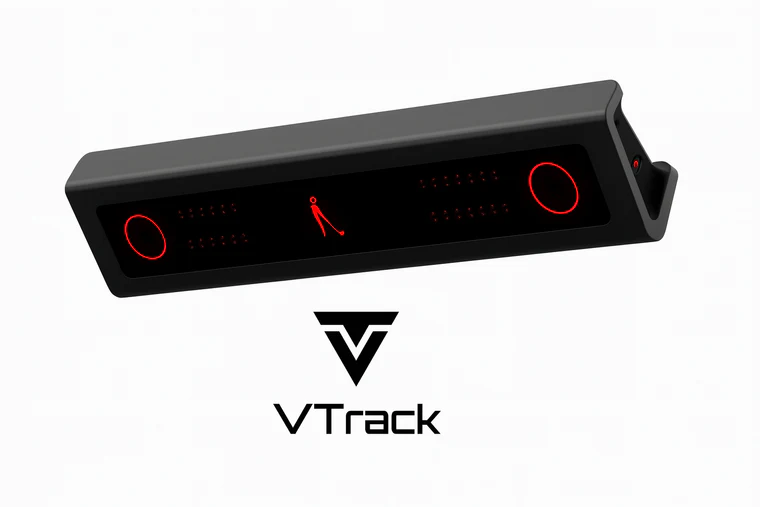
The Vtrack launch monitor is an overhead, camera-based golf simulator system designed for serious home and commercial installations that want club-and-ball data accuracy without stepping into ultra-premium pricing tiers. With permanent ceiling mounting, a wide hitting zone, and no need to place hardware near the ball, Vtrack prioritizes consistency, safety, and realistic simulation over portability or casual use.
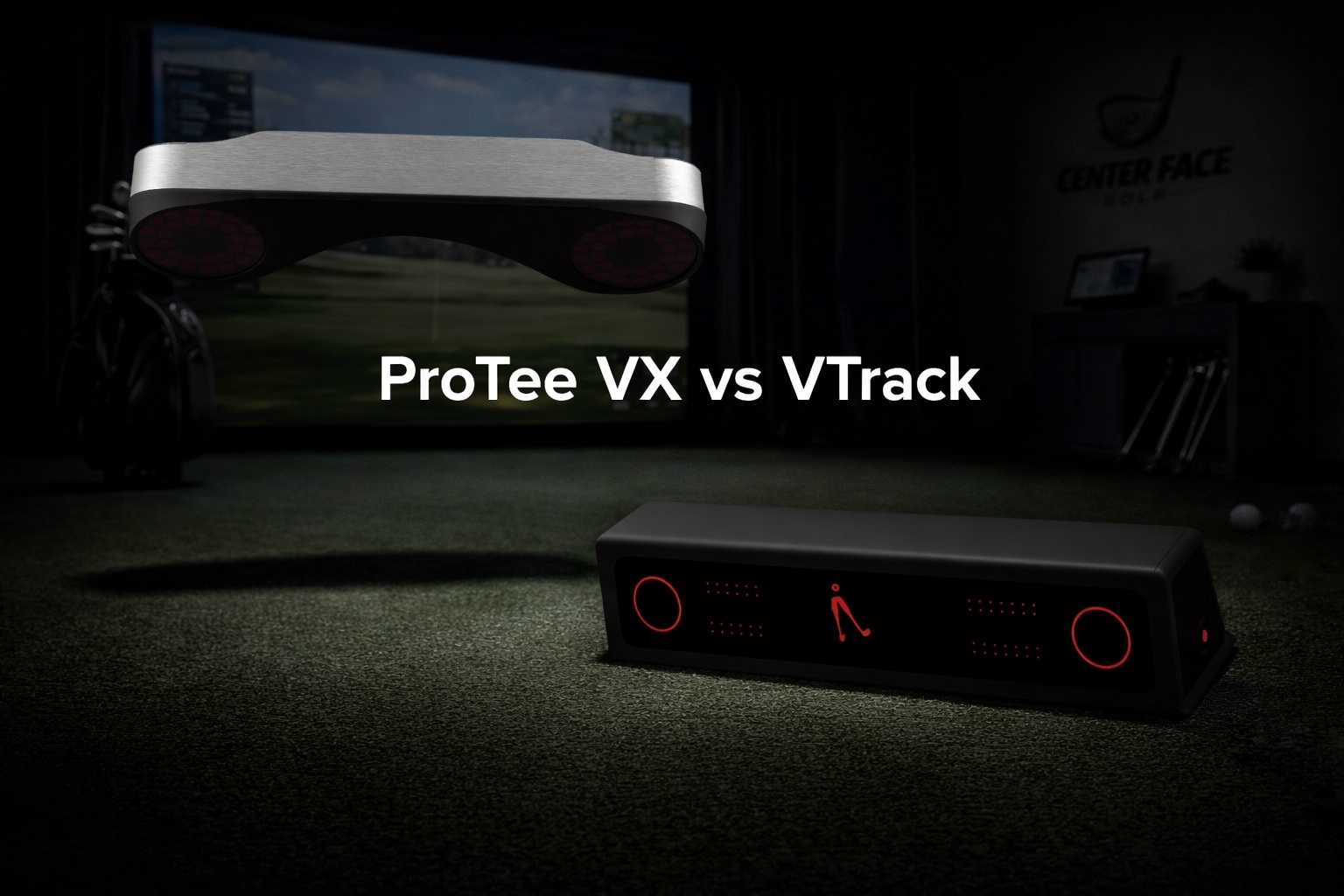
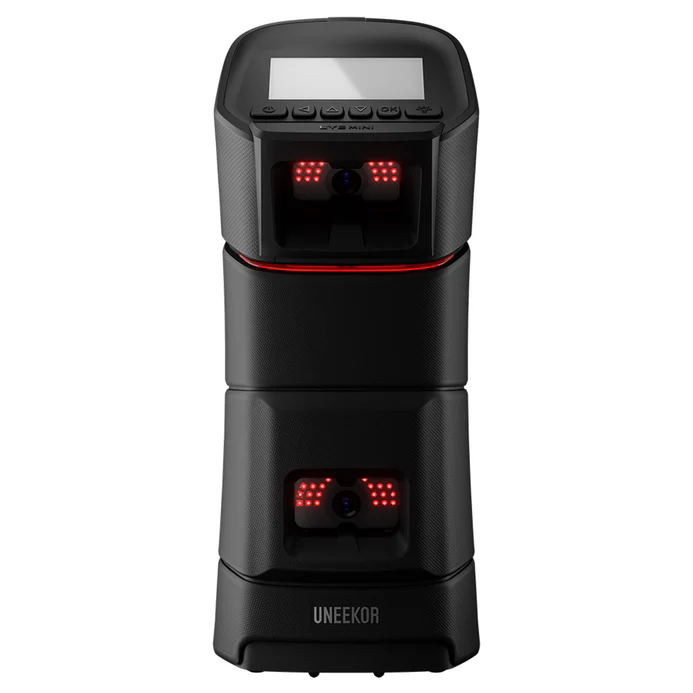
For buyers comparing overhead systems, VTrack often enters the conversation alongside options like ProTee VX and Uneekor’s Eye XO series.
What Is the Vtrack Launch Monitor?
Vtrack is a ceiling-mounted, camera-based launch monitor that tracks both ball flight and club delivery using high-speed optical sensors. Unlike radar systems that sit behind the golfer, Vtrack captures impact and launch conditions from above, making it especially well-suited for indoor simulator environments with limited depth.
This design places Vtrack in the same functional category as other overhead systems, where accuracy, repeatability, and ease of use outweigh portability.
Room Requirements & Installation Considerations
Because VTrack is a permanently mounted overhead system, room dimensions and lighting conditions matter more than they would with a portable launch monitor.
Most installations require:
- Adequate ceiling height for proper mounting and camera angle
- Consistent, well-distributed lighting (especially over the hitting area)
- A stable impact screen setup with minimal vibration
Unlike radar systems, VTrack does not require significant depth behind the golfer, which makes it particularly attractive for simulator rooms where space is limited front-to-back.
However, ceiling height and alignment precision become critical. Taking time during installation to properly position and calibrate the unit pays dividends in long-term consistency and shot capture reliability.
Real-World Experience: What Using Vtrack Is Actually Like
Beyond specs, Vtrack’s biggest strength shows up in day-to-day simulator use.
Once installed and calibrated, the system largely disappears into the background, which is exactly what serious golfers want. There’s no unit to align, no concern about ball position relative to hardware, and no interruptions when switching between right- and left-handed players.
Shot capture feels immediate and consistent, particularly on well-struck shots, with clean launch conditions and realistic ball flight. In longer sessions, this consistency matters more than any single data point — the system behaves predictably, which builds trust over time.
Vtrack is also forgiving from a usability standpoint. Golfers can focus on swinging naturally rather than worrying about whether the system “saw” the shot, something that can still creep into the experience with some floor-based or behind-the-ball setups.
Who Is VTrack Best For?
VTrack is best suited for golfers building a dedicated indoor simulator space rather than those looking for portability or occasional backyard use.
It makes the most sense for:
- Homeowners investing in a permanent simulator room
- Commercial simulator studios seeking clean overhead installs
- Households with both right- and left-handed players
- Golfers prioritizing consistency over mobile flexibility
Because there is no hardware on the floor or behind the ball, the hitting area remains clean and unobstructed — a meaningful advantage in shared or high-traffic simulator environments.
For golfers who want a “set it and forget it” overhead system without stepping into five-figure territory, VTrack fills a compelling middle tier.
Overhead vs Radar vs Floor-Based Launch Monitors
One of the most common buyer questions is whether an overhead system like VTrack is meaningfully better than radar or floor-based camera units.
Compared to radar systems:
- No need for significant ball-to-screen depth
- No unit sitting behind the golfer
- Reduced risk of misreads due to room constraints
Compared to floor-based camera systems:
- No need to reposition for right- and left-handed golfers
- Cleaner hitting area
- Less visual distraction during play
That said, overhead systems require more commitment during installation and are not portable. For dedicated simulator rooms, however, many owners find the tradeoff worthwhile for the cleaner workflow and long-term consistency.
Camera-Based Accuracy and Data Quality
Because Vtrack relies on cameras rather than radar, it excels in indoor environments where radar can struggle with limited flight distance. Ball speed, launch angle, spin metrics, and club data are measured at impact, reducing dependence on long ball flight or environmental assumptions.
Camera-based systems like Vtrack tend to shine in:
- Short indoor spaces
- Commercial simulator bays
- Dedicated home builds where consistency matters more than flexibility
For golfers focused on repeatable data and reliable shot-to-shot feedback, this approach offers a meaningful advantage over portable radar units.
Overhead Design and Hitting Zone

One of Vtrack’s biggest strengths is its overhead installation.
Key benefits:
- No device near the ball
- No risk of mis-hits damaging hardware
- Clean simulator aesthetics
- Multiple golfers (right- and left-handed) can hit without repositioning equipment
The hitting zone is generous, allowing golfers to move naturally without worrying about alignment with a floor unit or behind-the-ball radar.
Setup and Space Requirements
Vtrack is not a plug-and-play device.
This system is intended for:
- Permanent or semi-permanent simulator rooms
- Professional installation or advanced DIY builds
- Ceilings that meet height and mounting requirements
The upfront setup is more involved than portable launch monitors, but once installed, daily use is simple and friction-free — a tradeoff most dedicated simulator owners are happy to make.
Software and Simulator Experience
Vtrack integrates with modern simulator software platforms, delivering:
- Realistic ball flight
- Smooth shot detection
- Stable performance for long sessions
While software flexibility isn’t the primary selling point, the experience is polished and reliable, with no unnecessary complexity once the system is dialed in.
Pairing VTrack with the right display is critical — we break down top options in our Best Projectors for Golf Simulators guide.
Pricing and Market Positioning
At $5,000 the Vtrack sits in the mid-to-upper indoor simulator market, priced above portable consumer launch monitors but below the most expensive tour-level overhead systems.
This pricing reflects:
- Permanent overhead hardware
- Camera-based tracking
- Commercial-grade reliability
For golfers already budgeting for a dedicated simulator build, Vtrack often lands in a “sweet spot” — offering professional-style performance without forcing a jump into the highest price tier.
For mid-tier options, see our Best Launch Monitors Under $5,000 guide.
Pros and Cons
Pros
- Overhead, camera-based design ideal for indoor use
- No hardware near the ball or hitting area
- Consistent shot capture and repeatable data
- Wide hitting zone for right- and left-handed golfers
- Clean, professional simulator setup
Cons
- Not portable
- Requires permanent installation
- Higher cost than consumer-grade radar units
- Overkill for casual or outdoor use
Who the Vtrack Is Best For
Vtrack makes the most sense for:
- Golfers building a dedicated home simulator
- Commercial facilities seeking a reliable, fixed system
- Players who value camera-based accuracy over portability
- Users who want overhead convenience without stepping into top-tier pricing categories
It is not ideal for casual golfers, outdoor use, or spaces that require frequent teardown.
Vtrack vs Other Overhead Launch Monitors
Vtrack occupies an interesting middle ground in the overhead market, offering a professional-style setup without pushing into the highest pricing brackets.
Comparing the VTrack and ProTee VX? Our in-depth VTrack vs ProTee VX review breaks down accuracy, software, and long-term ownership differences.
Frequently Asked Questions
Is the Vtrack launch monitor radar-based?
No. Vtrack is a camera-based, overhead launch monitor, designed specifically for indoor simulator use.
Can Vtrack be used outdoors?
Vtrack is intended for indoor installations only. The overhead camera system requires controlled lighting and a fixed mounting environment.
Does Vtrack measure club data?
Yes. Vtrack captures both ball and club metrics, making it suitable for practice, fitting-style analysis, and simulation play.
Is Vtrack portable?
No. This is a fixed, ceiling-mounted system and should be considered a permanent installation.
Final Verdict
The Vtrack launch monitor is a strong option for golfers who want overhead, camera-based accuracy in a dedicated simulator environment without jumping to the most expensive systems on the market. It trades portability for consistency, safety, and clean integration — a smart exchange for serious indoor golfers and commercial operators alike.
For golfers who already understand the basics and want a system that simply works session after session, Vtrack delivers a polished, confidence-inspiring experience.